
Behind the Image is an ongoing MODELS.com series taking a more personal look at both established and emerging creative talent. Dione Davis, Stylist Hometown: Mobile, Alabama Based In: New York City, New…

The CFDA/Vogue Fashion Fund Finalists Are Here, The Couture Calendar Is Out, and more news you missed
The 2026 CFDA/Vogue Fashion Fund Finalists Are Here The CFDA and Vogue have announced the ten finalists for the 2026 Fashion Fund. Among those competing are Aisling Camps, Amir Taghi, Terrence Zhou…

Agata Serge On the Urge to Create and Trusting Your Instincts
Behind the Image is an ongoing MODELS.com series taking a more personal look at both established and emerging creative talent. Agata Serge, Photographer Hometown: Lodz, Poland Based In: New York, New York…

DVF Taps Henry Zankov, The Face Magazine Returns, and more news you missed
Henry Zankov Is Diane von Furstenberg’s First-Ever Artistic Director Diane von Furstenberg has appointed Henry Zankov as its first artistic director, a newly created role that puts him in charge of the…
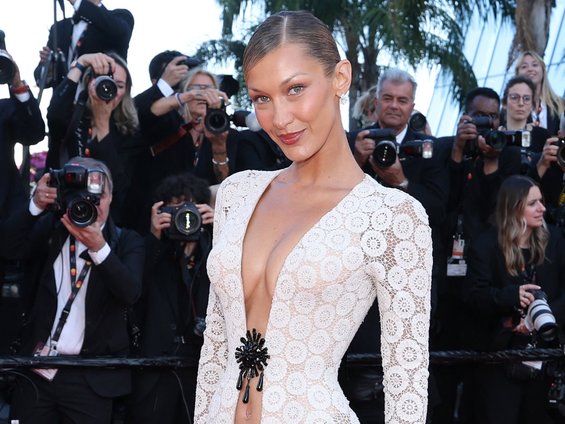
Cannes 2026 Was Its Usual Fashion Takeover
Bella Hadid in Schiaparelli The South of France once again became Hollywood’s most fashionable stage as the 2026 Cannes Film Festival delivered another season of cinematic spectacle and red carpet dominance. Queen…

The Paris Men’s S/S 27 Calendar Is Here, Giambattista Valli Goes Independent, and more news you missed
The Paris Men’s Spring 2027 Calendar Is Here The Paris Men’s Fashion Week calendar is here, running from June 23 to June 28. Saint Laurent is back on the official schedule for…

How Gaming and Painting Shaped Theo Liu’s Lens
Behind the Image is an ongoing MODELS.com series taking a more personal look at both established and emerging creative talent. Theo Liu, Photographer Hometown: “Oumuamua” Based In: Paris, France Representation: MA +…

LVMH Is Selling Marc Jacobs, Louis Vuitton Is Heading to NYC For Cruise, and more news you missed
LVMH Is Selling Marc Jacobs After Nearly 30 Years It has been an open secret for a while that Marc Jacobs and LVMH were potentially parting ways, and this week it became…

At PUBLIC Editions, Alex McWhirter Lets the Images Do the Talking
Behind the Image is an ongoing MODELS.com series taking a more personal look at both established and emerging creative talent. Alex McWhirter, Creative Director Hometown: London, England Based In: Los Angeles, California…

A.P.C. hires Ludivine Poiblanc, Chanel Is Heading to Rome, and more news you missed
A.P.C. Names Ludivine Poiblanc as Artistic Director A.P.C. has appointed Ludivine Poiblanc as artistic director, stepping into a role that Jean Touitou held for nearly 30 years before stepping down in July…